Summer can be a great time to refresh your home’s exterior, but warm weather does not always mean paint dries perfectly. For homeowners in Kimberly, Appleton, Green Bay, Little Chute, Kaukauna, Neenah, Menasha, and surrounding Northeast Wisconsin communities, exterior paint drying time depends on more than just the temperature.
Humidity, direct sunlight, surface condition, paint type, airflow, and evening dew can all affect how long exterior paint takes to dry and cure. Understanding these factors can help you plan your project properly and avoid common problems like peeling, bubbling, uneven coverage, or poor adhesion.
Park Place Paint & Coatings provides professional exterior painting services throughout Northeast Wisconsin, including Appleton, Green Bay, Kimberly, Little Chute, Combined Locks, Kaukauna, Neenah, and Menasha. For homeowners planning a summer painting project, working with an experienced local painting team can make a major difference in the final result.
How long does exterior paint take to dry in summer?
In summer conditions, most exterior latex or acrylic paints are dry to the touch within 1 to 2 hours. However, that does not mean the paint is fully ready for a second coat or completely cured.
A general drying timeline for exterior paint in summer is:
- Dry to the touch: 1 to 2 hours
- Ready for recoat: 4 to 6 hours, depending on the product and weather
- Fully cured: Several days to a few weeks
Drying time can be faster on warm, breezy days with low humidity. It can take much longer when the air is humid, the surface is shaded, or the evening temperature drops quickly.
Paint manufacturers often recommend painting within a proper temperature range and avoiding high humidity for the best results. Benjamin Moore notes that exterior painting is typically best when temperatures are within the approved range and humidity is as low as possible. For more general painting guidance, visit this exterior painting temperature guide from Benjamin Moore: https://www.benjaminmoore.com/en-us/interior-exterior-paints-stains/how-to-advice/exteriors/temperature
Dry to the touch vs. fully cured
One of the biggest mistakes homeowners make is assuming paint is finished once it feels dry. Exterior paint goes through two different stages: drying and curing.
Drying means the surface moisture has evaporated enough that the paint no longer feels wet. Curing means the paint has fully hardened and bonded to the surface.
Paint may feel dry within a few hours, but it can still be soft underneath. During the curing stage, fresh paint is more vulnerable to moisture, dirt, pollen, insects, and damage. This is why professional painters pay close attention to timing, weather forecasts, and product instructions before applying additional coats.
How Wisconsin summer weather affects exterior paint drying time
Wisconsin summers can bring warm temperatures, humidity, storms, and cool evenings. These conditions can all affect exterior painting.
High humidity slows drying because moisture in the air makes it harder for water in the paint to evaporate. Direct sunlight can cause paint to dry too quickly on the surface, which may lead to poor bonding underneath. Rain or heavy dew can damage fresh paint before it has had enough time to set.
For homes in Appleton, Green Bay, Kimberly, and surrounding Fox Valley communities, the best summer painting days are usually warm, dry, and partly cloudy with low humidity and no rain expected.
Best temperature for exterior painting in summer
Most exterior paints perform best when temperatures are moderate. Extremely hot surfaces can cause paint to dry too fast, while cool or damp conditions can slow drying and affect adhesion.
A good rule of thumb is to avoid painting in extreme heat, direct afternoon sun, or right before rain. Even if the air temperature feels comfortable, siding, trim, decks, and other exterior surfaces can become much hotter in direct sunlight.
Professional painters often work around the sun by painting shaded areas first and adjusting the schedule throughout the day. This helps the paint dry more evenly and reduces the risk of lap marks, blistering, or premature peeling.
Can exterior paint dry too fast in summer?
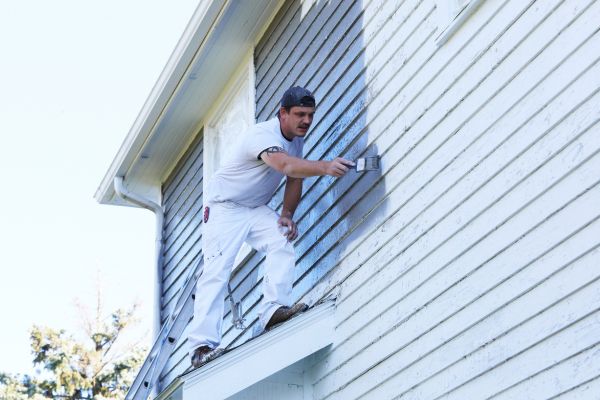
Yes. While many homeowners worry about paint drying too slowly, paint can also dry too fast in summer.
When paint dries too quickly, it may not have enough time to properly level out or bond to the surface. This can lead to brush marks, roller marks, uneven sheen, cracking, or peeling later.
Fast drying is most common when painting in direct sunlight, high heat, or windy conditions. This is why it is important to apply paint under the right conditions, not just on the hottest day of the week.
How long should you wait before applying a second coat?
Most exterior paints need at least 4 hours before a second coat can be applied, but some products may require more time. Humidity, shade, cooler evening temperatures, and surface type can all extend the wait time.
Before applying another coat, the paint should feel dry, firm, and not tacky. Rushing the second coat can trap moisture between layers, which may affect the finish and durability.
For the best results, always follow the paint manufacturer’s recoat instructions. A professional painting company can also determine whether conditions are right before moving forward.
What happens if it rains after exterior painting?
Rain can be a serious problem if it happens too soon after exterior painting. If paint has not dried enough, rain can cause streaking, spotting, bubbling, or wash-off.
In summer, it is best to paint when there is no rain in the immediate forecast. However, drying time depends on the paint product, temperature, humidity, and surface conditions. A light rain several hours after painting may not always cause damage, but heavy rain shortly after application can affect the finish.
This is one reason local experience matters. Park Place Paint & Coatings understands Wisconsin weather patterns and plans exterior painting projects around conditions that help protect your home.
How to help exterior paint dry properly in summer
Proper drying starts before the first coat is applied. The surface should be clean, dry, and properly prepared. Dirt, mildew, loose paint, or moisture can interfere with adhesion and shorten the life of the paint job.
To help exterior paint dry properly in summer:
- Paint during mild, dry weather
- Avoid direct sunlight when possible
- Watch humidity levels
- Allow enough time between coats
- Avoid painting before rain or heavy evening dew
- Use the right exterior paint for the surface
- Make sure the surface is properly cleaned and prepped
If your home’s paint is peeling, fading, cracking, or showing signs of wear, learn more about Park Place Paint & Coatings’ exterior painting services here
Why hire a professional exterior painter in Wisconsin?
Exterior painting is more than applying a fresh coat of color. A long-lasting finish depends on preparation, timing, product selection, and weather awareness.
A professional painting team knows how to evaluate siding, trim, wood surfaces, moisture issues, sun exposure, and coating conditions before beginning the job. This helps reduce the risk of paint failure and improves the appearance and durability of the finished project.
For homeowners in Kimberly, Appleton, Green Bay, Little Chute, Kaukauna, Neenah, Menasha, and nearby Wisconsin communities, Park Place Paint & Coatings provides reliable residential and commercial painting services designed for local homes and weather conditions.
Request a free exterior painting quote
If you are planning an exterior painting project this summer, Park Place Paint & Coatings can help you choose the right timing, paint products, and preparation approach for a lasting finish.
Contact Park Place Paint & Coatings today to request a free quote for exterior painting in Kimberly, Appleton, Green Bay, and surrounding Northeast Wisconsin communities.
Visit: https://foxcitiespainting.com/contact-us/
Call: 920-714-8328