For interior painting in Appleton, the best results come from painting during the shoulder seasons of spring and fall, using a washable satin or eggshell finish on walls, and allowing for the extra dry time our humid Fox Valley summers and dry winter furnace air demand. A quality interior repaint of an average room runs about two to four days from prep to final coat, and the prep work, not the paint, is what separates a job that lasts a decade from one that peels in two years.
Key takeaways
- Timing matters indoors too: Appleton’s humid summers and furnace-dry winters both affect dry time and leveling, so control your indoor climate before you open a can.
- Prep is most of the job: Patching, sanding, and priming on older plaster walls in neighborhoods like the City Park Historic District determine whether the finish lasts.
- Finish sheen should match the room: Eggshell or satin for living spaces, semi-gloss for trim, and a scrubbable finish for busy family areas.
- Low-VOC paints are now the standard for occupied homes and cut down on lingering odor.
- Budget two to four days per room including proper cure time between coats.
Why Appleton’s Climate Changes How You Paint Indoors
People assume interior painting is immune to weather because it happens inside. In Appleton, that is only half true. Our summers along the Fox River push relative humidity high, and a muggy July afternoon slows water-based paint from curing, which can leave walls tacky and prone to blocking where surfaces touch. In winter, when Northeast Wisconsin temperatures regularly drop below zero, forced-air furnaces dry the indoor air out so aggressively that paint can skin over and lose its ability to self-level, leaving brush and roller marks.
The practical fix is to paint when you can hold the room between 60 and 75 degrees with moderate humidity. Run a dehumidifier in August or add a humidifier in January. Homes across neighborhoods like the Flats, Highlands, and out toward Grand Chute and Little Chute all deal with these same swings, so climate control indoors is not a luxury, it is part of the prep.
Prepping Older Appleton Homes
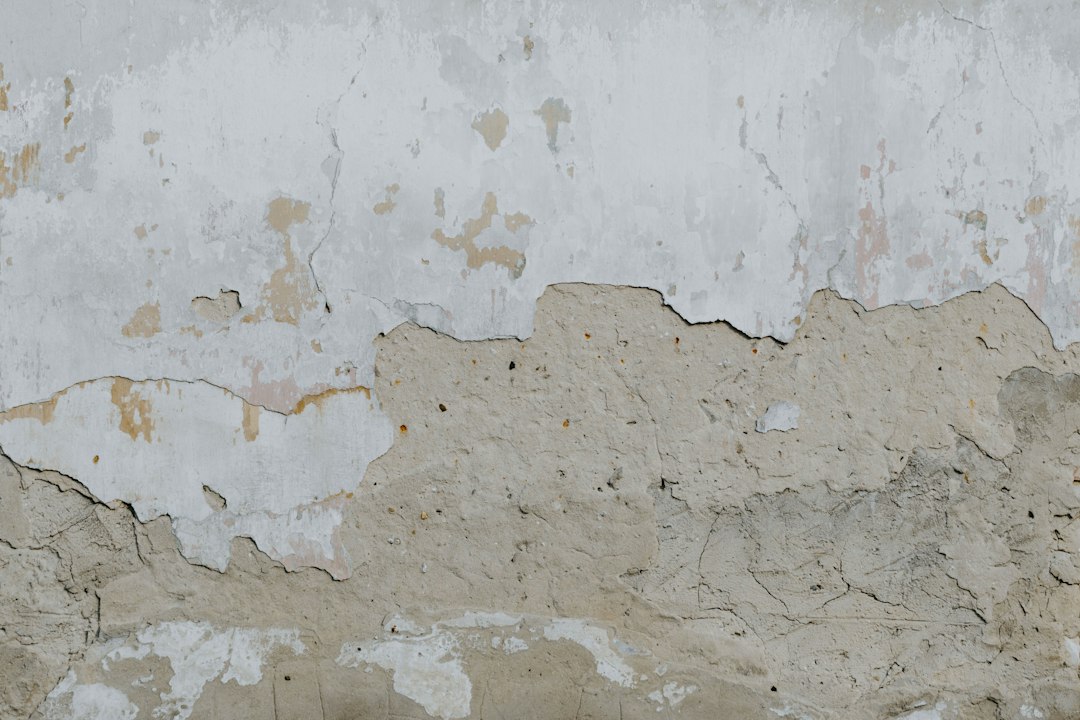
A large share of Appleton’s housing stock is pre-war and even pre-1920, especially the bungalows, Victorians, and four-squares around the City Park Historic District and the near-east side. These homes often have original plaster walls rather than drywall, and plaster behaves differently. Hairline cracks reappear if you simply skim over them, so they need to be cut out, taped, and feathered. Older homes may also have layers of oil-based paint that require a bonding primer before modern latex will adhere.
If your home was built before 1978, assume the existing paint may contain lead and treat disturbance carefully. The EPA’s lead safety program outlines why sanding and scraping old coatings calls for caution, and a licensed, lead-safe certified professional should handle surfaces you suspect. Given how much of Appleton’s housing predates the lead-paint ban, do not take regulatory or safety shortcuts here; consult a qualified pro when lead is a possibility.
Choosing the Right Paint and Finish
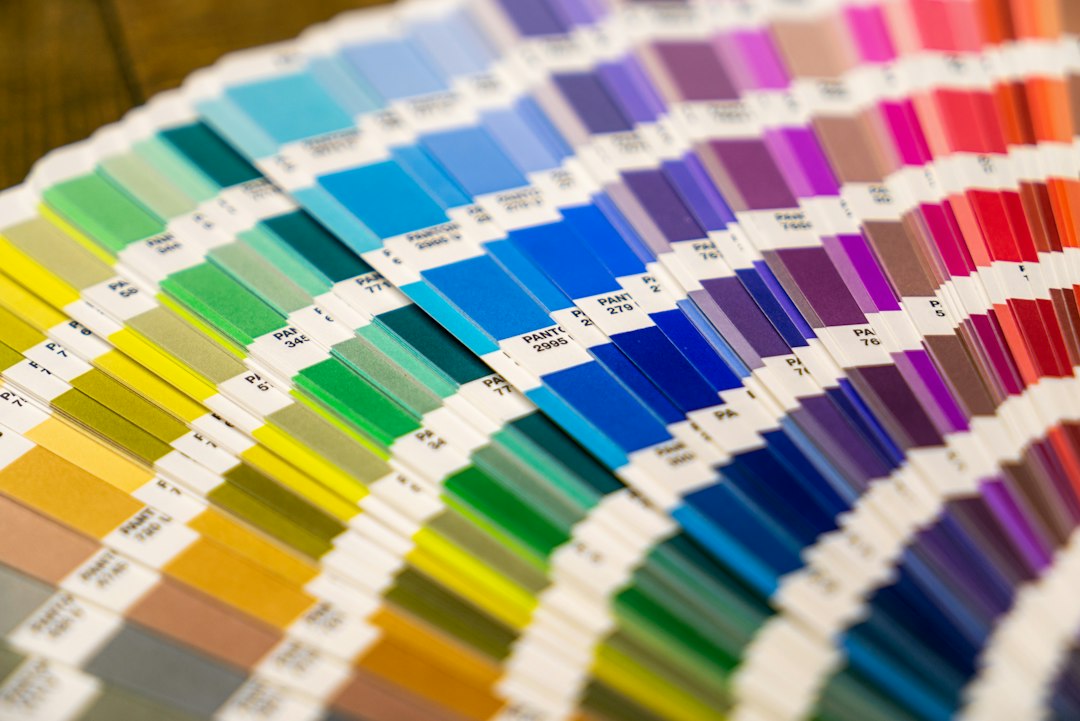
For most Appleton living spaces, an eggshell or satin finish hits the sweet spot: enough sheen to wipe down fingerprints and the occasional splash of winter road salt tracked in off Wisconsin Avenue sidewalks, but not so glossy that it highlights every imperfection in a 90-year-old plaster wall. Reserve semi-gloss for trim, doors, and baseboards where durability and cleanability matter most. Flat finishes hide flaws beautifully on ceilings but are tough to clean, so keep them off high-traffic walls.
Low-VOC and zero-VOC formulas have become the standard for occupied homes because they off-gas far less, which matters when you are sealed up against a long Wisconsin winter. According to the EPA’s guidance on indoor air quality, paints and finishes are a common source of indoor volatile organic compounds, so a low-VOC product and good ventilation are worth prioritizing. Our interior painting services default to low-VOC products for exactly this reason.
What a Professional Interior Painting Job Looks Like

A thorough interior repaint follows a predictable rhythm: protect and move furniture, repair walls, sand, spot-prime or full-prime, cut in edges, roll two coats, and do a final inspection under raking light to catch holidays and thin spots. For an average 12-by-14 bedroom, expect two to three days; whole-home interiors stretch across one to two weeks depending on repairs and the number of colors. If you want to see the range of finishes and projects we have completed around the Fox Cities, our project gallery shows real local work.
When you are ready to get a scope and timeline for your own home, our full list of painting services covers what is included, and you can reach the crew directly through our contact page to schedule a walkthrough. Painters on every crew know that quality interior painting services come down to the prep more than the product.
Timing Your Project Around the Seasons
While interior work can happen year-round, many Appleton homeowners book interior projects in late fall and winter, precisely when exterior painting is off the table in Northeast Wisconsin. That makes the colder months the smart window to repaint bedrooms, living rooms, and kitchens, as long as you manage furnace-dry air. If you are weighing interior against exterior work, our guide on whether summer is a good time to paint helps you plan the whole year.
The bottom line: good interior painting in Appleton is less about the brand on the can and more about prep, patience with our Fox Valley humidity swings, and matching the finish to how each room actually gets used.